58 ElliotStreet
Public consultation on proposals for co‑living and community uses in Glasgow.
Proposals for co-living and community uses, bringing a listed foundry back to life
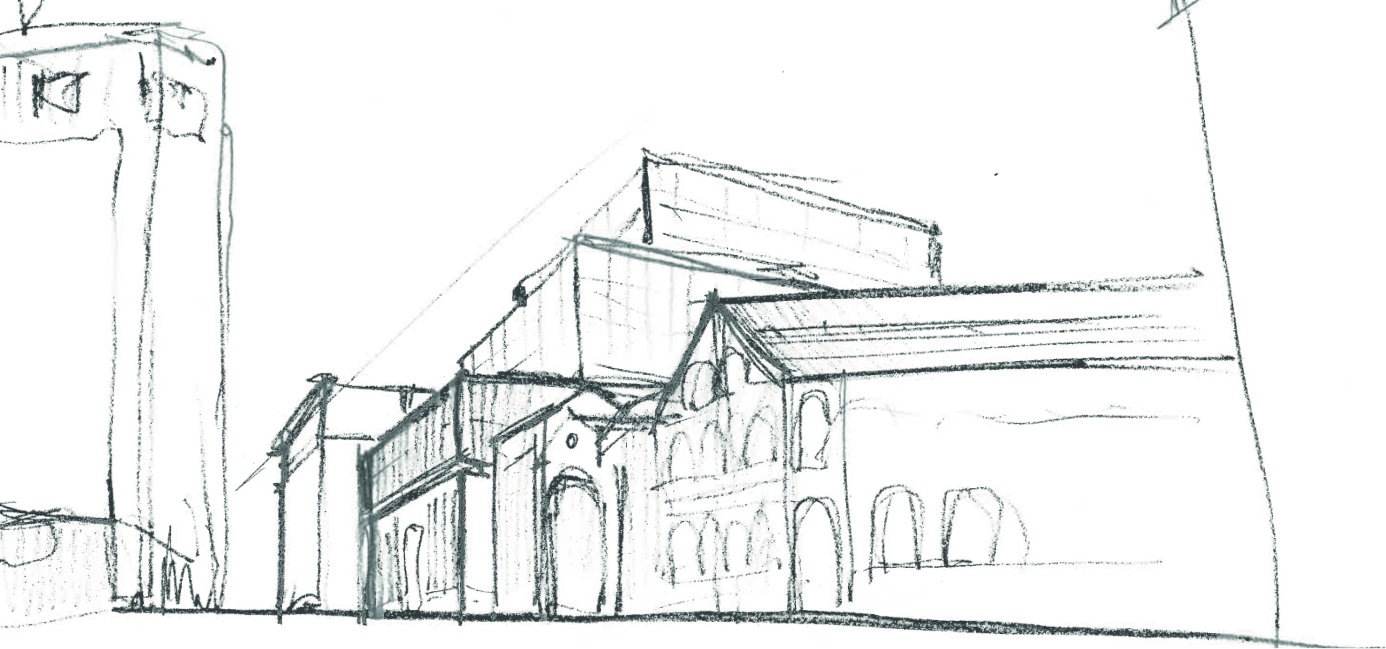
At its heart is the Former Cranstonhill Foundry, a Category B listed engineering shop built around 1854, to be retained and refurbished for public, community and commercial use.
20 Oct
Public Consultation 01Tuesday, 2pm – 7pm
The Pyramid at Anderston
759 Argyle Street, G3 8DS
Dec 2026
Public Consultation 02Proposed
Q1 2027
Planning applicationSubmission
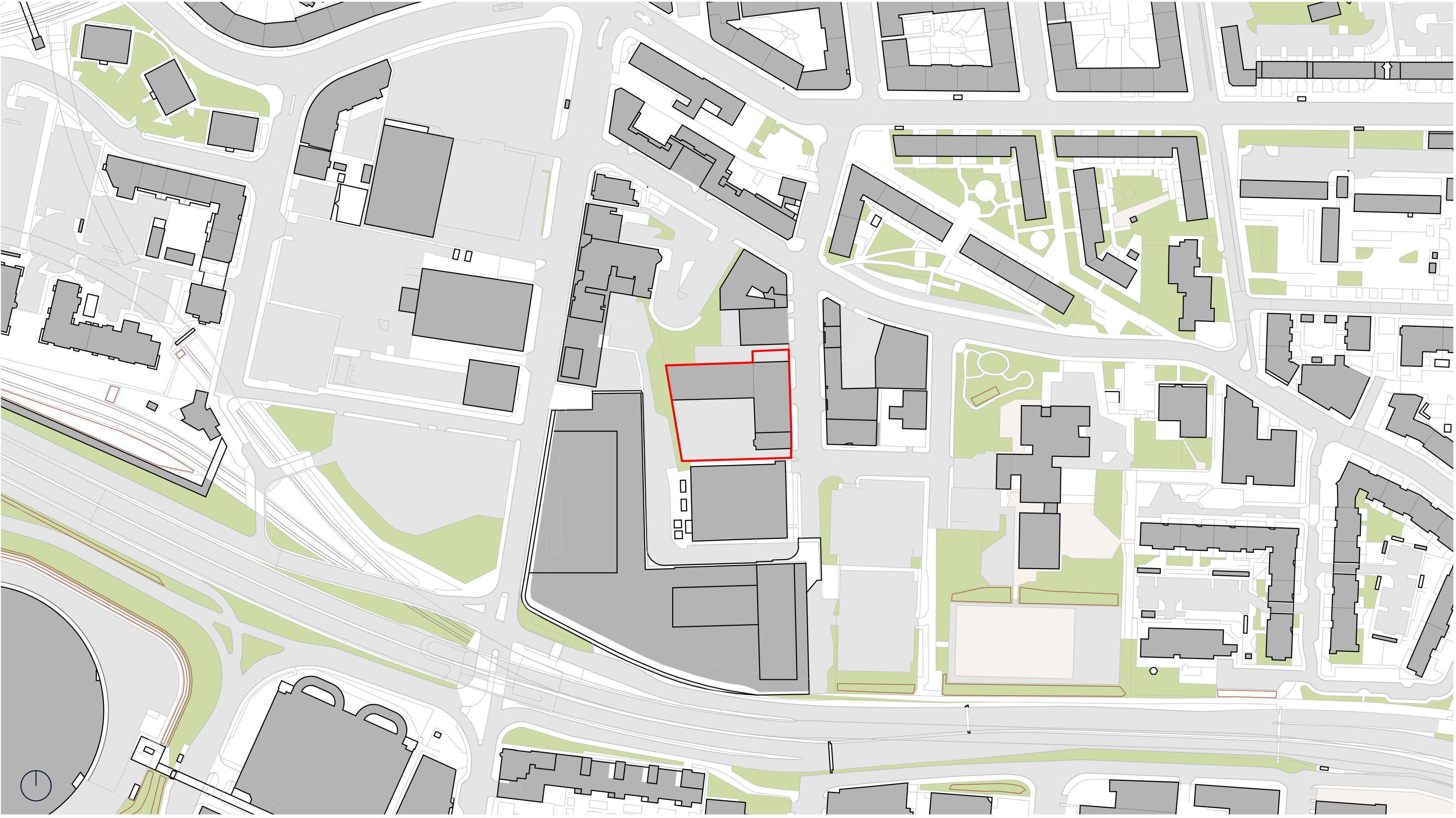
Retaining the Former Cranstonhill Foundry for community and commercial use
The foundry as it was, and as it is today
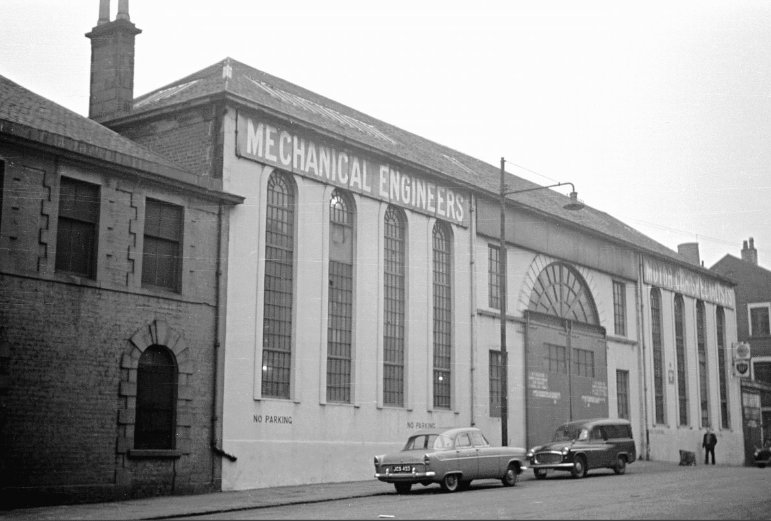
Historic
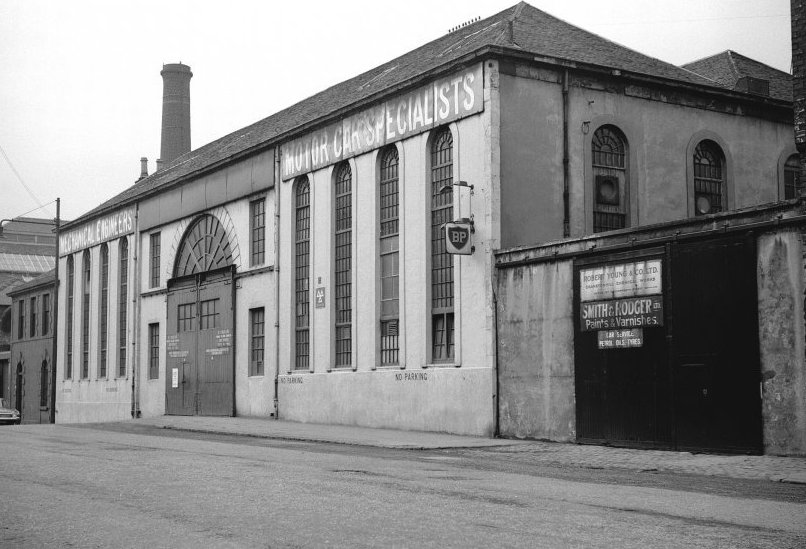
Historic
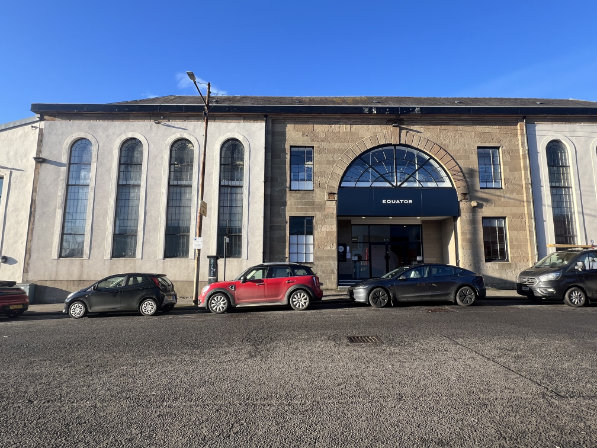
Today
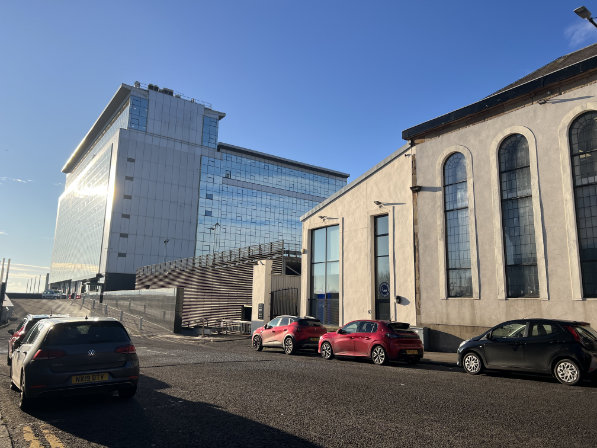
Today
Have your say
Your comments will help shape the final proposal.
Or email elliot-st@valad.io
Frequently asked questions
What is Co-Living
Co-Living is an increasingly popular means of living, where someone rents a room within a communal property, benefiting from shared amenities such as cafes, TV rooms, gyms and recreation areas, under a single management company that runs the scheme on behalf of the residents.
Will there be any units for sale?
Given the nature of the proposals, co-living, no units for sale are proposed.
However, the Applicant will be required demonstrate as part of the planning process that the proposed development utilises a whole life approach with flexible floorplates and building design to ensure there is scope and flexibility for adaptation to alternative future uses such as mainstream for sale accommodation (which would be subject to a separate permission).
What are the proposed uses in the retained listed building?
The B listed building is to be retained and refurbished for community and commercial use. It will be fully accessible to general public and a destination. At the time of writing it is difficult to be specific as the end uses will be market led. However, the description of development will allow for retail, food and drink, leisure uses to occupy the space.
What are the environmental impacts of the development?
Elliot Street offers a chance to raise the bar and establish a benchmark standard for sustainability. Key site-specific opportunities include:
- Potential for exemplar Net Zero Carbon developments.
- Utilising new open spaces and public realm as part of a sustainable drainage strategy.
- Promoting active lifestyles and a modal shift towards sustainable transport alternatives.
- Prioritising residents well-being through new green spaces, and wider social impact.
- Biodiversity on the site will also be enhanced, with a range of greenspaces and public realm provided for the whole community to enjoy.
The development will contribute significantly to delivering a Net Zero Carbon city by 2030.
The Applicant is also fully testing the proposed development from an environmental perspective. This includes daylight, overshadowing, wind, and air quality. This is informing the design process to create an exemplar proposal.
What do you define as the ‘community benefits’ of the proposed development?
The proposed development will have a transformational social-economic impact well beyond the site itself, creating new jobs and providing much needed stimulation to the wider City economy.
In addition to employment created through the construction of the development, there will be a range of direct and indirect employment opportunities, including in the cultural and commercial offerings proposed at the development. In addition to this, a greater residential population will serve to deliver increased footfall for local businesses, and act as a catalyst for investment in the wider area.
The regeneration benefits will be felt positively by the wider community and not solely residents themselves.
The project team